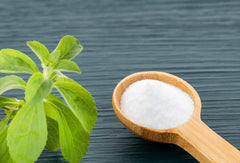
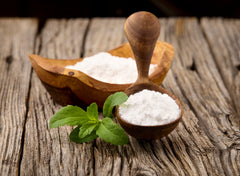
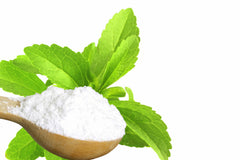
Reducing added sugar does not have to mean removing sweetness from a formulation. Stevia sugar offers manufacturers and consumers a plant-derived alternative that provides intense sweetness with virtually no calories. Derived from Stevia rebaudiana leaves, stevia contains naturally sweet compounds called steviol glycosides and can be used across beverages, foods, supplements, and other reduced-sugar formulations.
What Is Stevia Sugar?
Stevia is a natural sweetener made from compounds found in the leaves of the Stevia rebaudiana plant. These sweet compounds, known as steviol glycosides, are far sweeter than table sugar, which means only a small amount is needed in most formulations.
Pure Stevia Extract vs. Rebaudioside A vs. Stevioside
Not all stevia ingredients are exactly the same. Stevia extract may contain several steviol glycosides, while Rebaudioside A and stevioside are individual compounds within that extract.
Rebaudioside A, often called Reb A, is especially common in commercial formulations because of its strong sweetness profile. Higher-purity extracts can also help manufacturers achieve more predictable flavor and performance.
How Stevia Extract Is Made
Stevia extract begins with harvested stevia leaves. The naturally sweet compounds are separated from the plant material, purified, and processed into a usable ingredient.
The result is a concentrated sweetener that can be incorporated into a wide variety of products without requiring the large quantities associated with conventional sugar.
Is Stevia Safe?
For brands and consumers alike, safety is an important part of choosing any sugar alternative. High-purity steviol glycosides have been widely evaluated for food use and are commonly used in reduced-sugar and sugar-free products. The FDA has reviewed numerous GRAS notices for high-purity steviol glycosides and has issued “no questions” responses for qualifying preparations under their intended conditions of use.
As with any ingredient, it is important to choose the right grade and specification for the intended application.
Does Stevia Raise Blood Sugar?
One reason stevia is so popular in reduced-sugar products is that it does not behave like conventional sugar. Because purified stevia contributes sweetness without the same carbohydrate load as sucrose, it generally does not cause the same direct rise in blood glucose.
That said, the full product formulation still matters. A stevia-sweetened food or drink may contain other ingredients that contribute carbohydrates.
Is Stevia Safe for Diabetics?
The relationship between stevia and diabetes makes stevia relevant when developing reduced-sugar products. The American Diabetes Association notes that nonnutritive sweeteners such as stevia can replace sugar for some people and may reduce calorie and carbohydrate intake, although long-term benefits for blood glucose or weight management remain uncertain.
For individuals managing diabetes, the overall nutritional profile of a product matters more than the sweetener alone, and dietary decisions should still be based on overall carbohydrate intake and professional medical guidance.
Stevia as a Zero-Calorie Sweetener
As a zero-calorie sweetener, stevia can help manufacturers reduce added sugar while maintaining a familiar level of sweetness.
Because it is highly concentrated, stevia is especially useful in applications where sugar reduction is a priority but flavor still needs to feel satisfying. It can work well in beverages, dairy products, sauces, snacks, and many other formulations.
Natural Sweetener Benefits Beyond Calories
Stevia offers more than calorie reduction. It can also bring practical formulation advantages, including:
-
Strong sweetness at low usage levels
-
Good solubility in many applications
-
Heat stability for processed products
-
Flexibility across food and beverage formats
These qualities make it a versatile option for brands developing modern, lower-sugar products.
Stevia vs. Erythritol: Which Should You Choose?
When comparing erythritol vs. stevia, the biggest difference is how each ingredient functions.
Stevia is an intense sweetener, so only a small amount is typically needed. Erythritol is a sugar alcohol and is used in much larger quantities, where it can also contribute bulk and texture.
In some formulations, the two work well together. Stevia can provide sweetness, while erythritol helps create a mouthfeel that is closer to traditional sugar.
How to Use Stevia Sugar
The right amount of stevia depends on the purity, product format, and sweetness target. Because it is much sweeter than sugar, careful formulation is important.
-
Stevia for Baking
Stevia can work well in baked products because it remains stable under heat. However, replacing sugar is not always a simple one-for-one swap. Sugar also contributes bulk, browning, and texture, so bakers may need to adjust other ingredients when using stevia in reduced-sugar recipes.
-
In Beverages, Yogurt, and Sauces
Its solubility makes stevia useful in products where even sweetness distribution matters. It can be incorporated into beverages, yogurt, sauces, seasonings, and similar formulations where sugar reduction is part of the product goal. Its concentrated sweetness also gives formulators more flexibility when fine-tuning flavor.
Choosing the Right Purity: Pure Stevia Extract Explained
Purity matters because it can affect sweetness intensity, flavor, and how the ingredient performs in a finished product.
At BeimooBio, we offer stevia in a range of Rebaudioside A specifications, giving manufacturers the flexibility to choose a concentration that fits their formulation and production requirements.
For products marketed as organic, buyers should always confirm the applicable certification rather than assuming that a plant-derived ingredient is automatically organic.
How to Source Stevia at Scale?
For commercial buyers, choosing a sweetener is only part of the equation. Consistent specifications, dependable supply, and suitability for large-scale production are just as important.
Whether you are developing foods, beverages, seasonings, or health products, sourcing stevia at scale requires wholesale pricing and reliable partnership. At BeimooBio, we support your commercial growth with high-quality ingredients.
Stevia Solutions for Product Development and Sugar Reduction
We’d love to partner with you! If you’re looking to develop or reformulate products, you can easily explore and source our stevia sugar directly. Plus, if you’re working on broader formulations, we also supply a full range of sweeteners and sugar substitutes to support different production needs, making sure your formulation is just right.
Reach out to our team, and we’ll be happy to help you find high-quality ingredients that meet your specific formulation and production requirements.