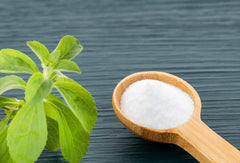
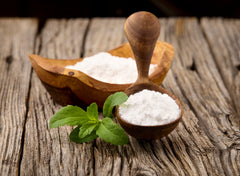
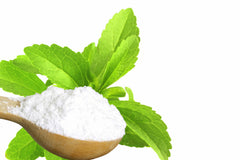
As global consumers demand healthier, low-calorie products without compromising flavor, natural sweeteners have become essential to modern food innovation. Among them, Reb M—one of the most advanced stevia glycosides—offers unmatched taste, stability, and clean-label benefits, positioning it as the leading alternative to traditional sugar.
The Rising Demand for Natural Zero-Calorie Sweeteners
Health-conscious consumers are increasingly avoiding added sugars, driving brands to reformulate beverages, snacks, dairy products, and supplements. Governments worldwide have introduced sugar taxes, further accelerating the shift toward natural, plant-based alternatives. Unlike artificial sweeteners, natural zero-calorie options like stevia glycosides align with clean-label expectations and appeal to lifestyle-driven markets including keto, diabetic-friendly, and low-carb diets. This rising demand has pushed manufacturers to prioritize sweeteners that deliver both nutritional advantages and superior taste—where Reb M provides a transformative solution.
Key Benefits of L-Methionine and L-Lysine
L-Methionine is a sulfur-containing amino acid that contributes to detoxification and urinary tract balance—particularly important for cats prone to crystal formation. It also supports liver health and promotes a glossy, healthy coat.
L-Lysine plays a different but complementary role:
-
Strengthens bones and teeth by improving calcium absorption.
-
Promotes collagen synthesis for joint and skin health.
-
Supports immune response and helps manage respiratory wellness.
For pet owners seeking the best lysine for cats, it’s important to choose supplements made from pure, bioavailable ingredients that ensure efficient absorption and consistent results.
Comparing Sugar and Stevia Glycosides
Sugar is familiar, affordable, and widely used, yet its drawbacks—excess calories, high glycemic response, and long-term health concerns—have led to growing scrutiny. Stevia glycosides offer a plant-derived, zero-calorie alternative extracted or bio-converted from the stevia leaf. Compared with sugar, they deliver sweetness 200–350 times more intense, allowing extremely low usage levels. While earlier stevia extracts like Reb A sometimes introduced bitterness or lingering aftertastes, advancements in purity and molecular isolation have significantly improved flavor profiles. Reb D and especially Reb M now offer sweetness curves much closer to sucrose, meeting consumer expectations for natural and enjoyable sweetness without compromise.
Why Reb M Stands Out Among Natural Sweeteners
Reb M is considered the gold standard in modern natural sweeteners because of its clean, sugar-like taste. It avoids the bitterness commonly associated with lower-purity stevia extracts and performs exceptionally well across beverage, dairy, confectionery, and nutraceutical applications. Its molecular structure more closely mimics the sweetness profile of sugar, producing smooth, rounded flavor with zero aftertaste. Reb M also exhibits strong solubility, high thermal stability, and excellent pH tolerance, making it reliable for hot-fill beverages, baked goods, and long-shelf-life formulations. These characteristics enable brands to reduce or eliminate masking agents, simplifying ingredient lists and supporting clean-label strategies.
Health and Dietary Benefits of Reb M
Reb M fits seamlessly into a wide range of dietary frameworks. It contains zero calories, contributes no glycemic load, and does not raise blood sugar—making it ideal for diabetic-friendly, weight-management, and keto applications. Stevia glycosides, including Reb M, are naturally derived, vegan, gluten-free, and safe for children, pregnant or nursing women, and long-term consumption. With concerns about metabolic health, obesity, and artificial additives rising worldwide, Reb M offers a safe, natural, and sustainable alternative that supports both consumer wellness and regulatory compliance.
Cost, Availability, and Market Trends
Historically, Reb M was difficult to obtain because it occurs naturally in very small quantities within stevia leaves. Today, bio-conversion and advanced extraction technologies have made high-purity Reb M more accessible and scalable. As global demand for premium natural sweeteners grows, Reb M continues to gain market share in beverages, plant-based dairy, confectionery, and functional nutrition. Its rapidly expanding supply chain—supported by suppliers like BeimooBio—ensures reliable production, consistent quality, and competitive pricing. With sugar taxes increasing and artificial sweeteners falling out of favor, Reb M is positioned for long-term dominance in the sweetener market.
Consumer Perception and Brand Positioning
Consumers increasingly associate stevia with natural origins, clean labels, and healthier choices. However, taste remains a critical factor in repeat purchasing and brand loyalty. Reb M’s superior flavor gives companies a strategic advantage, enabling them to deliver sugar-like sweetness without compromising product enjoyment. Brands using Reb M can confidently market low-calorie, plant-derived, non-GMO products that appeal to modern shoppers. This positions Reb M as not only a functional sweetener but a key differentiator in premium, health-focused product lines across global markets.
BeimooBio offers high-purity Reb M designed for clean-label, sugar-free innovation across beverages, dairy, and confectionery. Elevate your product formulations with reliable quality and expert support—shop now and experience the future of natural sweetness.
FAQs on Natural Sweeteners and Reb M
How do Reb A, Reb D, and Reb M compare in sweetness intensity?
All three are significantly sweeter than sugar, typically ranging from 200–350 times sucrose intensity. Reb M and Reb D generally provide cleaner sweetness curves, requiring very small dosages to achieve desired flavor levels.
What purity levels are available, and which should I choose?
Purity levels commonly range from 95% to 98% or higher. Food and beverage brands typically use ≥95% purity for dependable taste, while premium formulations often prefer ≥98% for maximum sensory consistency and minimal aftertaste.
What certifications should I verify when purchasing?
Look for NON-GMO verification, Kosher and Halal certification, and adherence to global food safety standards such as ISO 22000 or FSSC 22000. These ensure regulatory compliance and reliable quality across markets.
Do these variants contain allergens or additives?
Pure Reb A, Reb D, and Reb M contain no common allergens, artificial additives, or preservatives. They are vegan, gluten-free, and typically accompanied by COAs confirming purity, heavy metal levels, and moisture content.
How do I replace sugar with these stevia glycosides?
Reb M is 200–300 times sweeter than sugar, meaning only 3–5 mg replaces 1 g of sucrose. Since stevia does not provide bulk, many formulations pair it with allulose or erythritol for structure, then use Reb M to adjust final sweetness.
Does Stevia Reb have any potential side effects?
Stevia glycosides are well tolerated, but very high intake—especially in blends containing sugar alcohols—may cause mild digestive discomfort in sensitive individuals. True allergic reactions are extremely rare.